
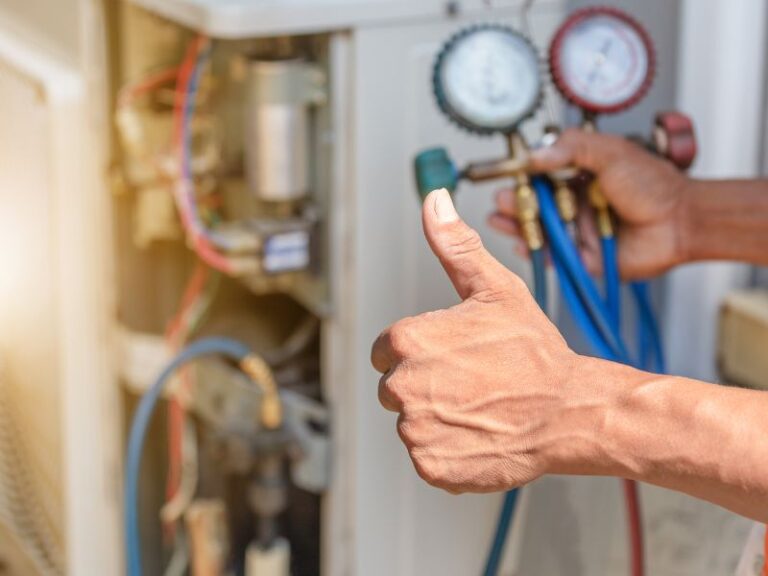
The Atlantic breeze might stay warm year-round in Stuart, FL, but your heat pump still works overtime to maintain indoor comfort during those surprisingly chilly December mornings when temperatures dip into the 50s. When your system starts making strange noises or fails to keep your home at that perfect 72 degrees while you’re decorating for the holidays, you need answers fast. Recognizing the warning signs of a failing heat pump saves you from emergency breakdowns and keeps your energy bills from skyrocketing during the season when you’d rather spend money on gifts than a repair.
Strange Sounds Signal Serious Problems
Your heat pump should operate with a gentle hum, not a concert of concerning noises. Grinding sounds indicate worn bearings or motor issues, while screeching suggests belt problems or failing components. Rattling often points to loose hardware or debris in your system.
According to the Department of Energy, unusual noises rank among the top three indicators that HVAC equipment needs professional attention. Banging or clanking sounds during startup could mean a faulty reversing valve, a critical component that switches your system between heating and cooling modes. Don’t ignore these acoustic warnings, as they typically worsen rapidly and lead to complete system failure.
Rising Energy Bills Reveal Hidden Inefficiencies
When your monthly electricity costs spike without explanation, your heat pump is likely struggling to maintain performance. A system operating at reduced efficiency works harder and longer to achieve the same temperature, consuming significantly more power.
Studies show that neglected heat pumps can lose up to 25% of their original efficiency over time. Compare your current bills with the same period last year, accounting for any rate increases. If you notice a 15-20% jump in costs despite similar usage patterns, your heat pump demands immediate repair. Grimes Heating & Air Conditioning can diagnose efficiency problems before they burden your budget throughout the entire heating season.
Inconsistent Temperatures Throughout Your Home Create Discomfort
Hot and cold spots throughout your Stuart, FL, residence indicate your heat pump can’t distribute air properly. This problem stems from various issues including refrigerant leaks, failing compressors or blocked ducts. One room feels like a sauna while another resembles a walk-in cooler, indicating your system has lost its ability to balance heating effectively.
Thermostat malfunctions also contribute to temperature inconsistencies, sending incorrect signals that prevent your heat pump from cycling correctly. Professional service technicians can determine whether the issue originates in your heat pump or in supporting components such as ductwork and controls.
Ice Buildup Indicates Critical Malfunctions
While a thin layer of frost on your outdoor unit during heating mode is normal, excessive ice accumulation signals serious trouble. Refrigerant leaks, defrost cycle failures or restricted airflow can cause problematic freezing, reducing heating capacity. Your heat pump should automatically defrost periodically, but when this mechanism fails, ice builds continuously until the system can’t function.
According to HVAC industry research, refrigerant-related issues account for approximately 40% of heat pump repairs. If you spot substantial ice formation that persists beyond brief defrost cycles, contact Grimes Heating & Air Conditioning immediately to prevent compressor damage.
Constant Cycling Wastes Energy and Indicates Instability
Short cycling, when your heat pump turns on and off repeatedly without completing full heating cycles, stresses your system and inflates energy costs. This behavior suggests oversized equipment, thermostat issues, or failing components such as capacitors and relays.
A properly functioning heat pump should run for 10-15 minute cycles under normal conditions. Frequent cycling also dramatically reduces your equipment’s lifespan, as startup operations cause the most wear on mechanical parts. Addressing short cycling quickly prevents premature system replacement and maintains consistent comfort levels.
Weak Airflow Compromises Heating Performance
Diminished air coming from your vents means your heat pump can’t circulate conditioned air effectively throughout your home. Clogged filters are the most common culprit, but blower motor issues, duct leaks or frozen coils can also restrict airflow.
The Environmental Protection Agency reports that duct leaks can reduce HVAC efficiency by 20-30%, forcing your system to compensate with extended runtime. Feel the air velocity at various vents and compare it to what you remember as normal performance. Weak airflow, combined with longer run times, clearly indicates that your heat pump in Stuart, FL, needs professional repair services.
Age and Maintenance History Determine Repair Likelihood
Heat pumps typically last 10-15 years with proper maintenance, but neglected systems fail much sooner. If your equipment has been in service for a decade or more and has missed regular tuneups, repair needs are increasingly likely.
Review your maintenance records to see when service technicians last inspected your system. Those without annual professional service accumulate problems that compound over time. While age alone doesn’t guarantee failure, it significantly increases vulnerability to breakdowns, especially when combined with other warning signs mentioned throughout this article.
Schedule Heat Pump Repair in Stuart, FL
Your heat pump’s performance directly impacts your comfort and budget throughout Stuart’s cooler months. When you notice any combination of these warning signs, waiting only makes repairs more expensive and complex. Contact Grimes Heating & Air Conditioning today to schedule a comprehensive system inspection and ensure your heat pump delivers reliable heating and cooling.
Image provided by Canva